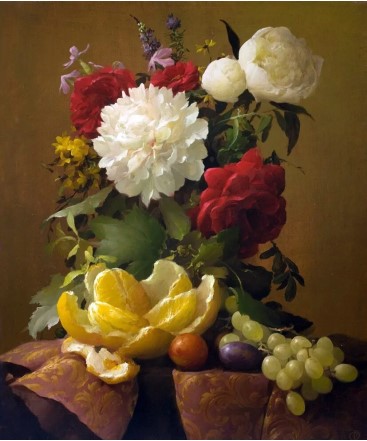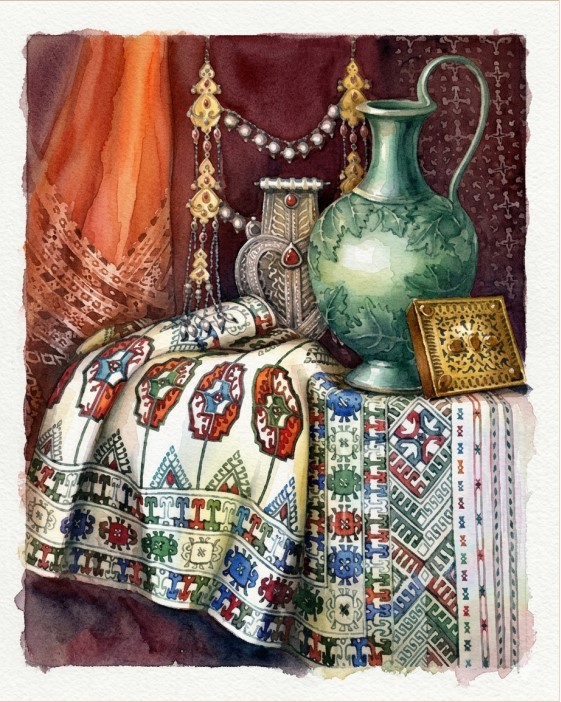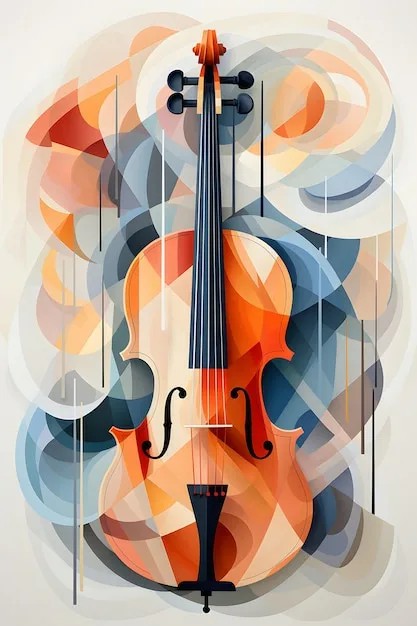
Creative painting
Creative painting
in the student environment today goes far beyond classical academicism, turning
into a bold experiment and a search for new meanings. Modern art students are
increasingly moving away from just oil and canvas, integrating digital art
elements, installations, and even industrial materials into their works. This
creative approach allows them to transform the educational process into a
manifesto of self-expression, where the technique of execution becomes
secondary to conceptual depth and the originality of the idea.
One of the key
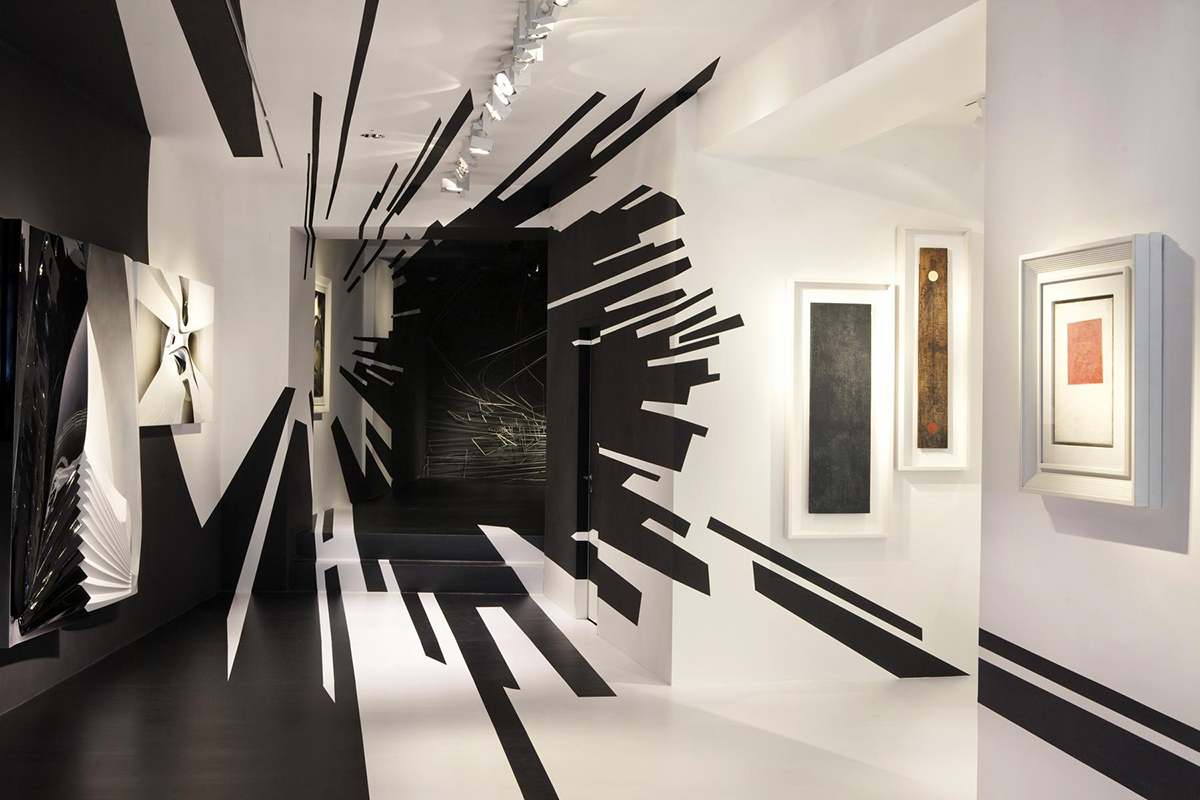
trends in creative painting is the use of non-traditional materials. In search
of unique textures, students mix acrylics with sand, cement, or synthetic
resins, creating voluminous, almost tactile canvases. This "material"
painting blurs the boundaries between painting and sculpture. It is not merely
interior decoration, but an attempt to engage the viewer in a physical
interaction with the work, forcing them to look at familiar forms and surfaces
in a new way.
The
interdisciplinary approach plays a vital role in the work of young artists.
Students are actively implementing modern technologies into traditional art:
from using neural networks to generate sketches to augmented reality (AR) that
"animates" a static image on a smartphone screen. Such a fusion of
classics and technology allows for the creation of dynamic art objects that
respond to the spirit of the times. Painting ceases to be a frozen moment,
transforming into an interactive space for dialogue.
Emotional
intelligence and social agendas are becoming the main drivers of student
creativity. Many works are dedicated to themes of ecology, mental health, or
the search for identity in a globalized world. Students are not afraid to use
bright, sometimes shocking color combinations and the distortion of images to
convey a person's inner state. Each such canvas is a sincere statement
reflecting the fears, hopes, and challenges faced by the modern generation.
Ultimately,
creative student painting is not just an academic practice, but the shaping of
the future of visual culture. It is within the walls of these workshops that
new styles and approaches are born, which will become part of the global art
world tomorrow. A lack of fear of making mistakes and a thirst for
experimentation allow young artists to expand the horizons of what is possible.
This art is alive, bold, and infinitely diverse, confirming that painting
remains a powerful tool for understanding the world.
This article was written by Abdylla Allanurov, a teacher at the specialized
arts school in the Ahal region.