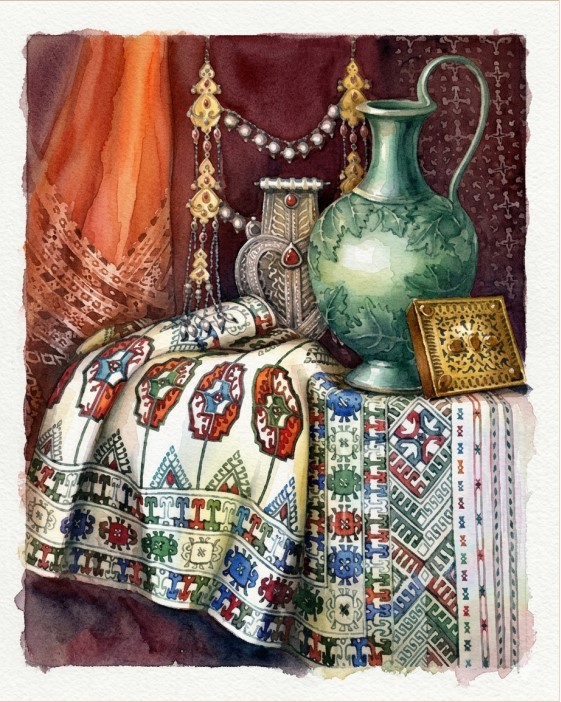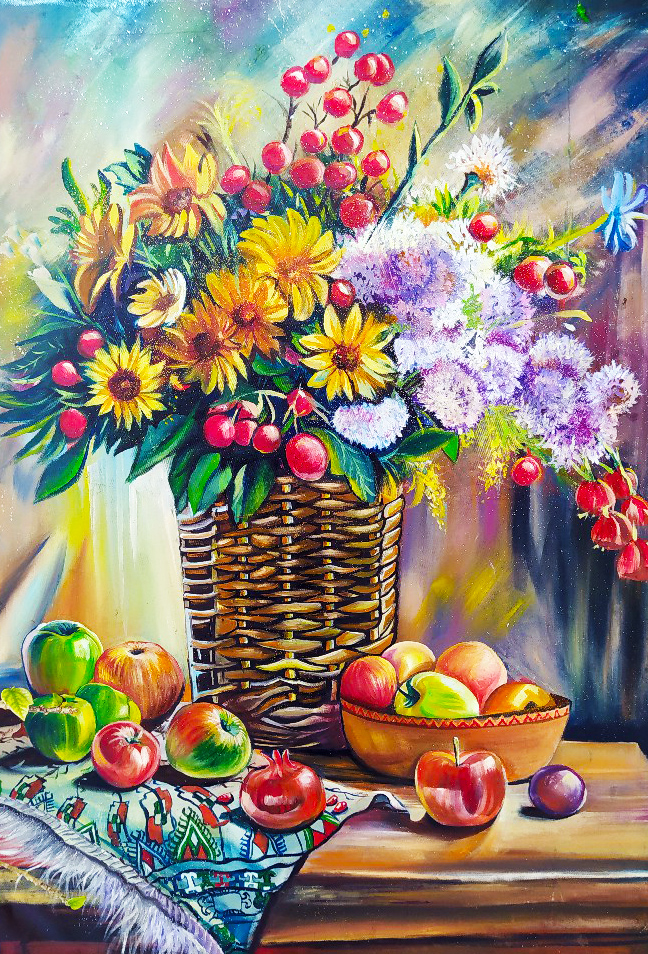
Still Life: Beyond the Dusty Vase
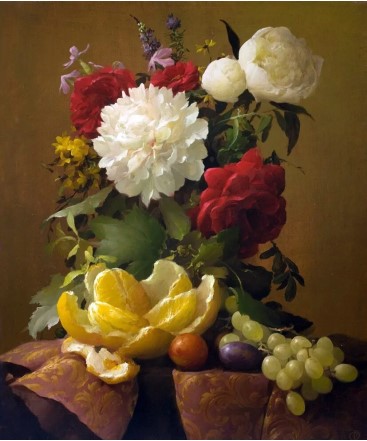
A still life is
far more than just a depiction of inanimate objects; it is a true gateway into
the world of composition and the mastery of light. To make an assignment on
this topic truly engaging, one should step away from dusty, traditional vases
and turn to objects that tell a story. The secret to success lies in the
selection: instead of a standard set, suggest combining items based on a
"day in the life" theme or a "favorite hobby." This
immediately adds a layer of individuality and drive to the work.
The second crucial
aspect is playing with space and layering. A great assignment should teach more
than just copying forms; it should foster an understanding of depth and planes.
Utilizing diverse textures—such as combining coarse linen, polished metal, and
transparent glass—forces the eye to work more actively. This trains the ability
to convey materiality, turning an ordinary drawing into a tactile adventure
where the viewer can almost feel the coldness of the steel or the roughness of
a stone.
Light and shadow
are the primary tools for creating volume, and they should be the focus of the
mid-process. To keep the assignment exciting, try using a directed light source
from a desk lamp in a darkened room. Such "dramatic" lighting helps
the artist better define shadow boundaries and see subtle reflections. When a
student realizes that a shadow isn't just a black smudge, but a complex palette
of deep tones, their skill level rises instantly.
Bold
experimentation with color should never be overlooked. A compelling assignment
might include limiting the palette—for instance, completing a still life in
just three contrasting colors or in monochrome with a single vibrant accent.
This removes the "fear of the wrong color" and focuses attention on
tonal relationships. Such an approach transforms an academic task into a
stylish graphic exercise that looks modern and impactful.
In conclusion, the
final touch of any great still life is the artist's unique perspective. An
assignment is truly successful when the creator's character shines through,
whether via an unusual top-down angle or a deliberately bold stroke. Still life
teaches us to find beauty in the mundane. If a student begins to see the
aesthetic value in a coffee cup left accidentally on a table after the lesson,
then the primary goal has been achieved.
This article was written by
Abdylla Allanurov, a teacher at the specialized arts school in the Ahal region